
STEM 2.0 Clubs & Labs
Through hands-on projects in STEM 2.0 labs and digital media clubs, students in rural schools learn skills that make them future-ready.
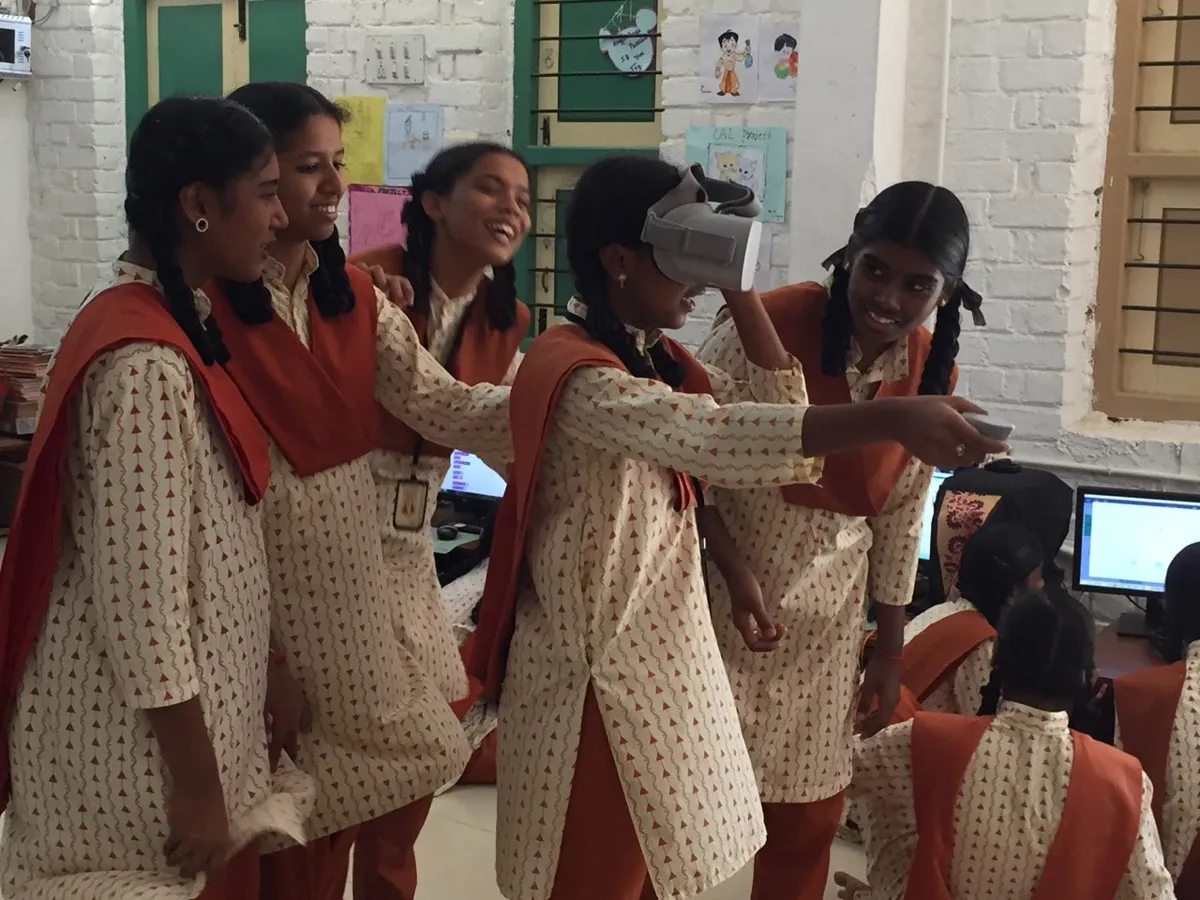
Lab 1.0 and Lab 2.0
Lab 1.0 is curriculum-based. Most school labs have the equipment needed for the experiments in the prescribed syllabus, and that syllabus is seldom aligned with the skills needed in a fast-changing, technology-led economy.
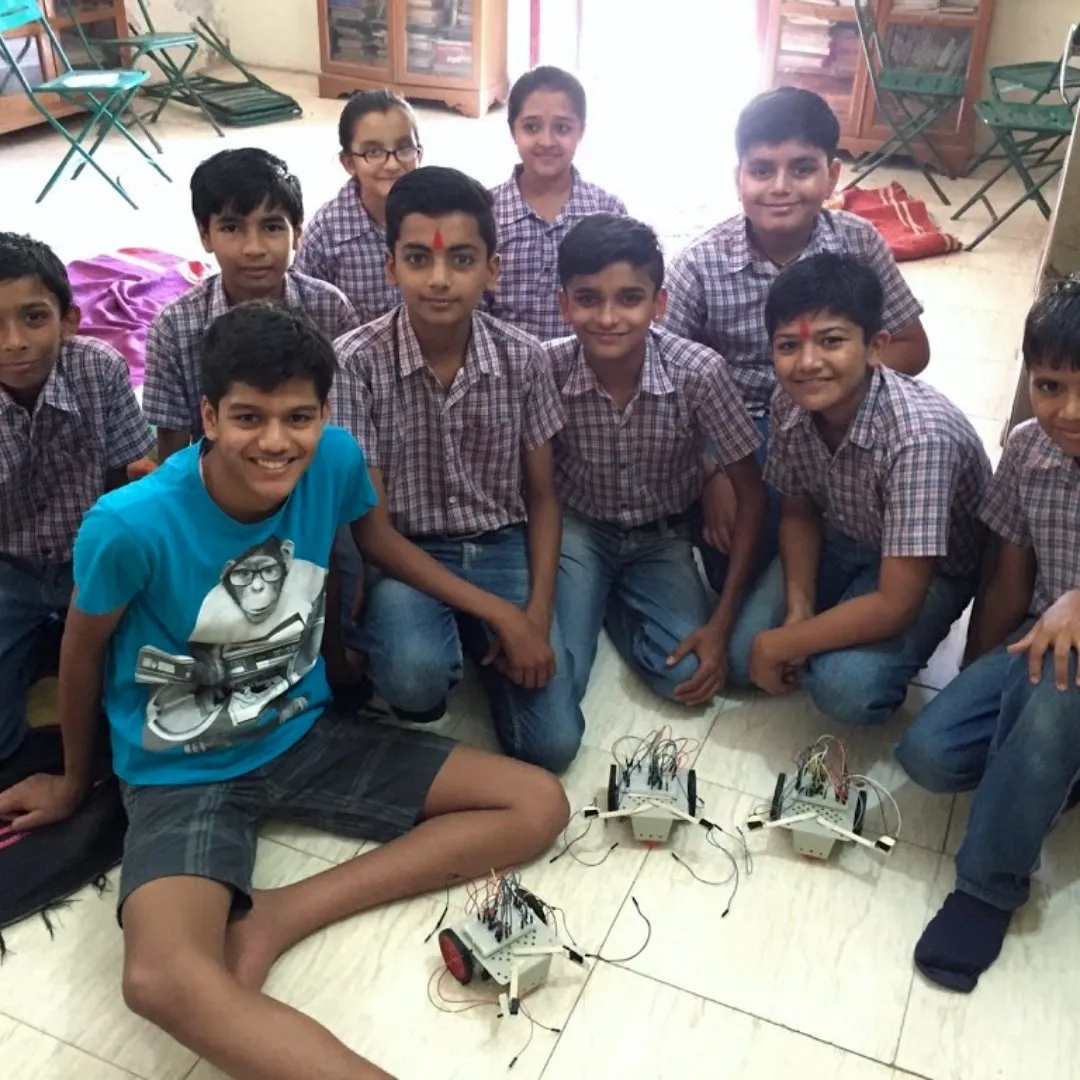
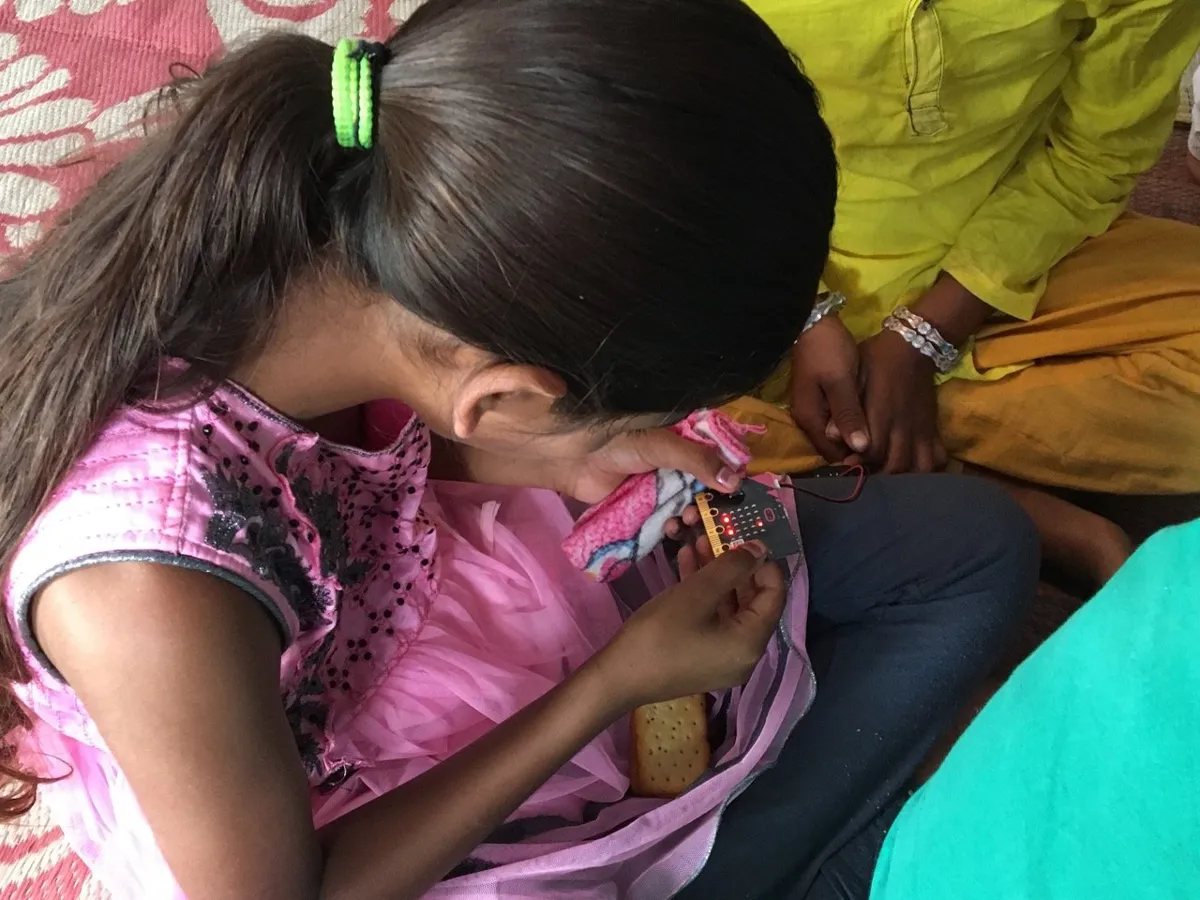
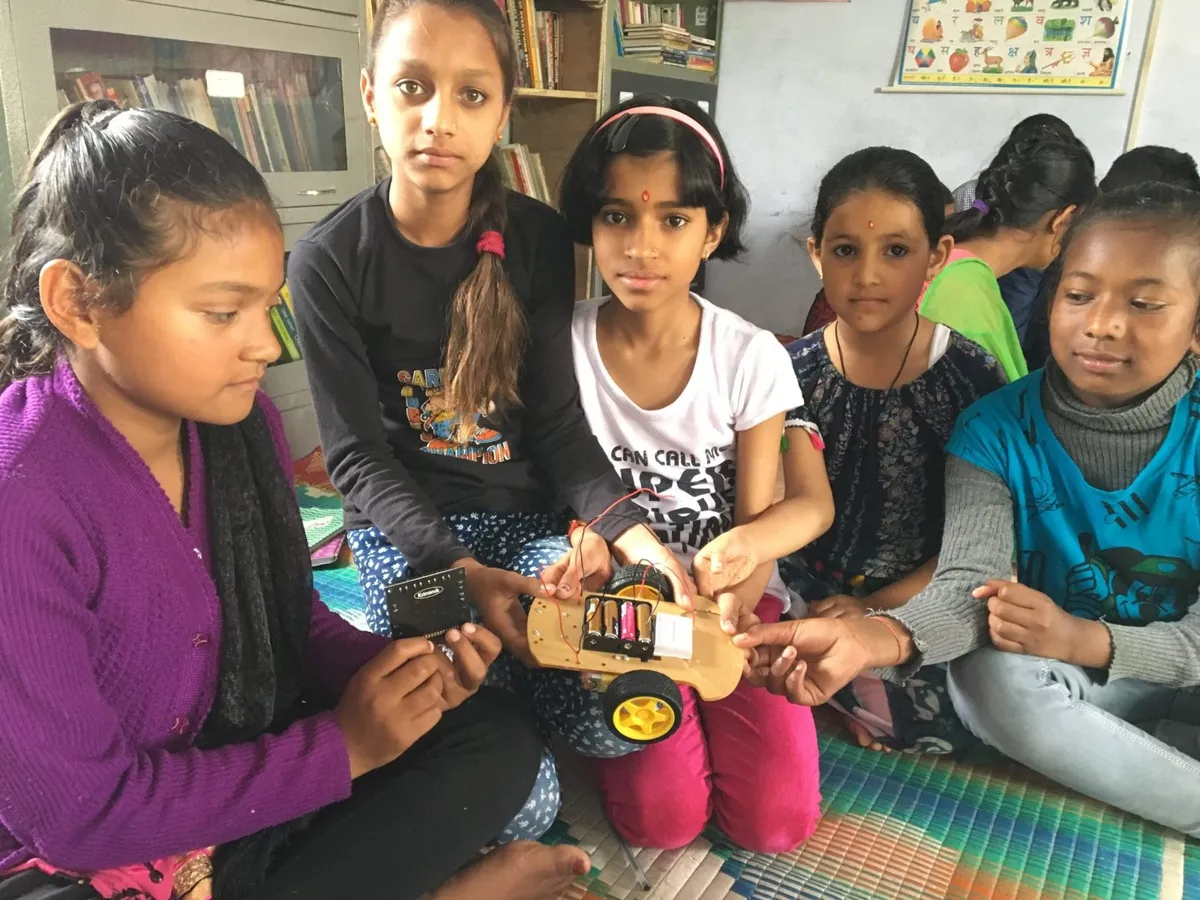
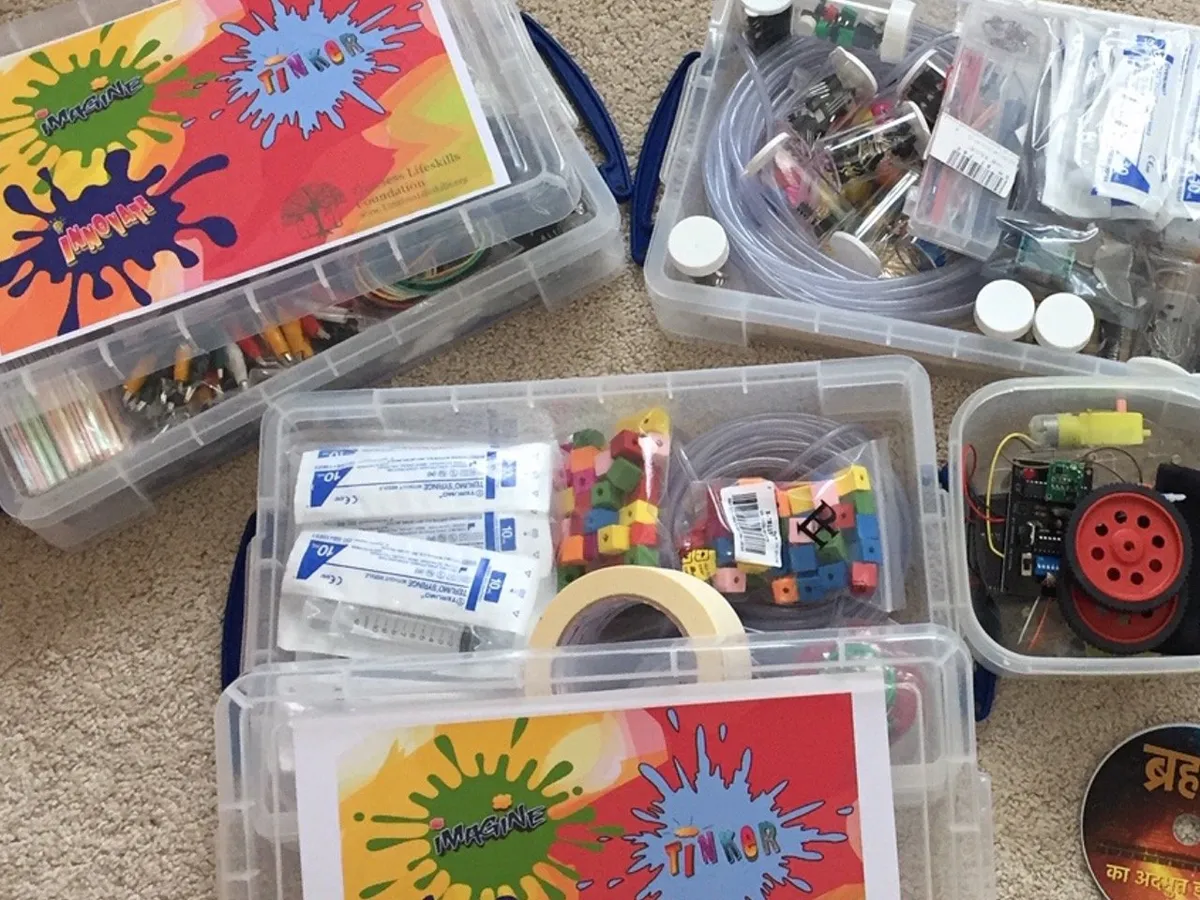
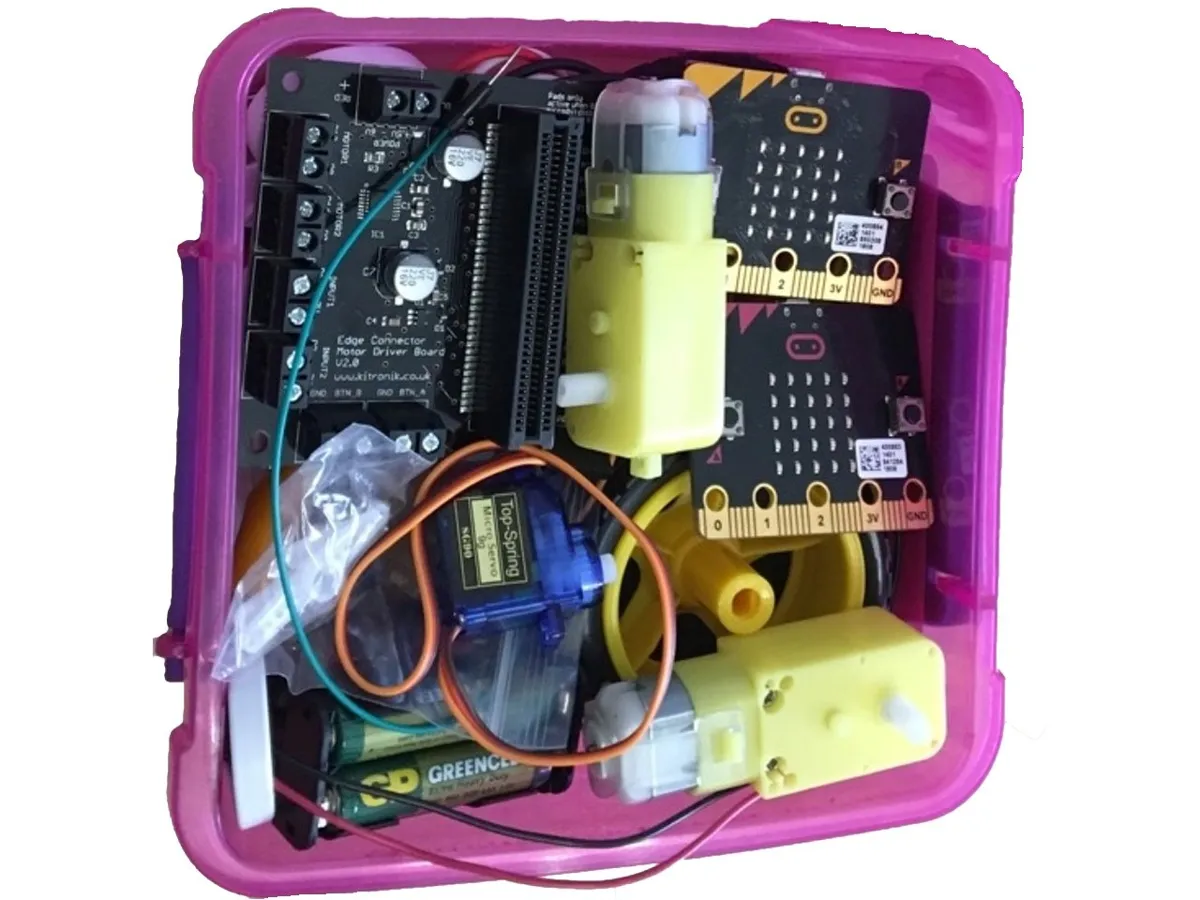
Lab 2.0 is about emerging technologies. STEM 2.0 labs introduce students to robotics, AR and VR, the Internet of Things, digital media literacy and more.
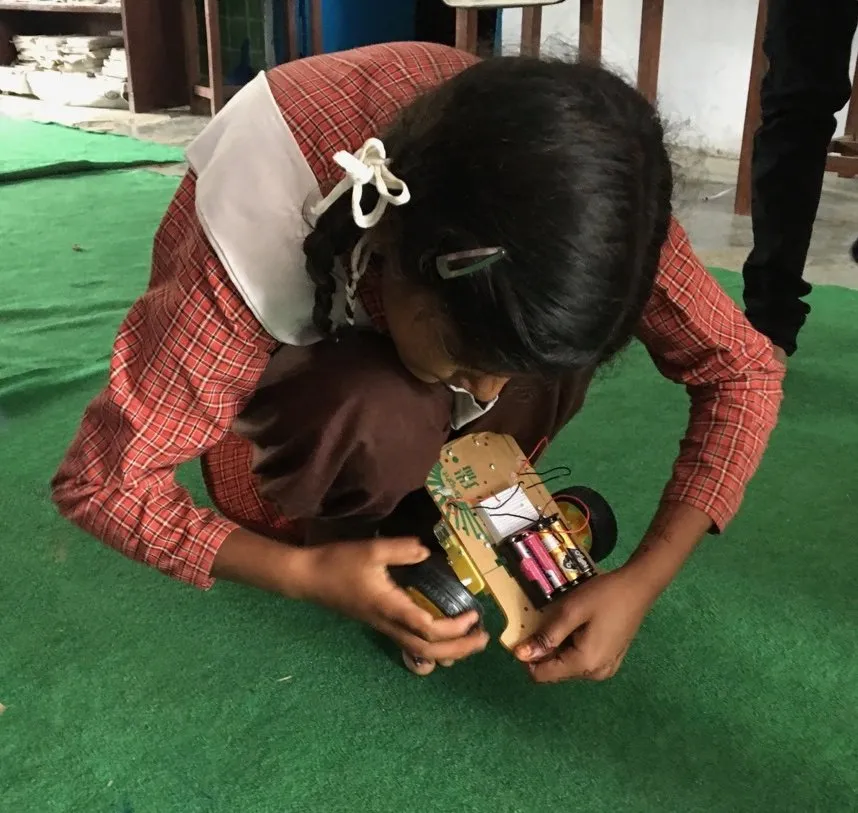
Hands-on, project-based learning
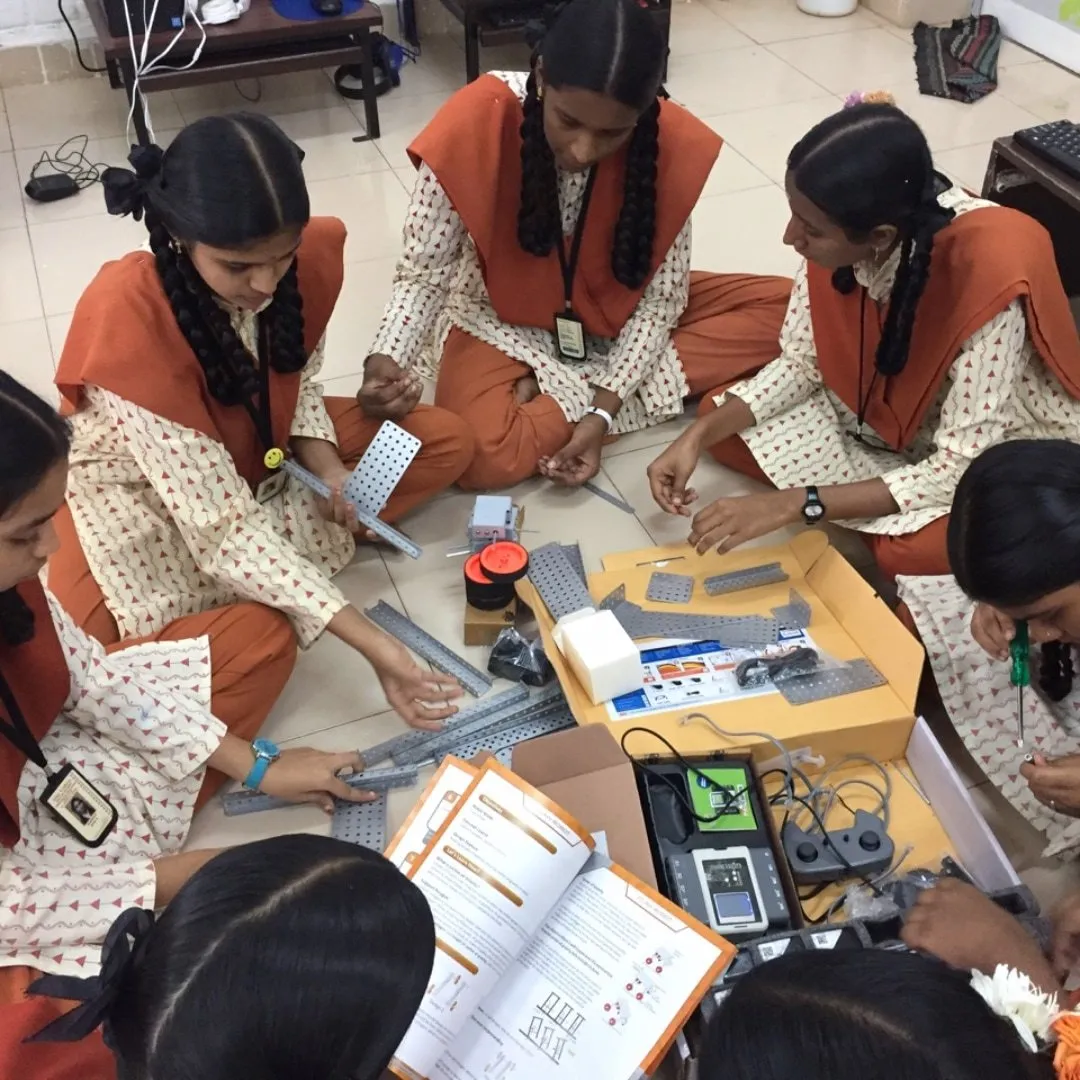
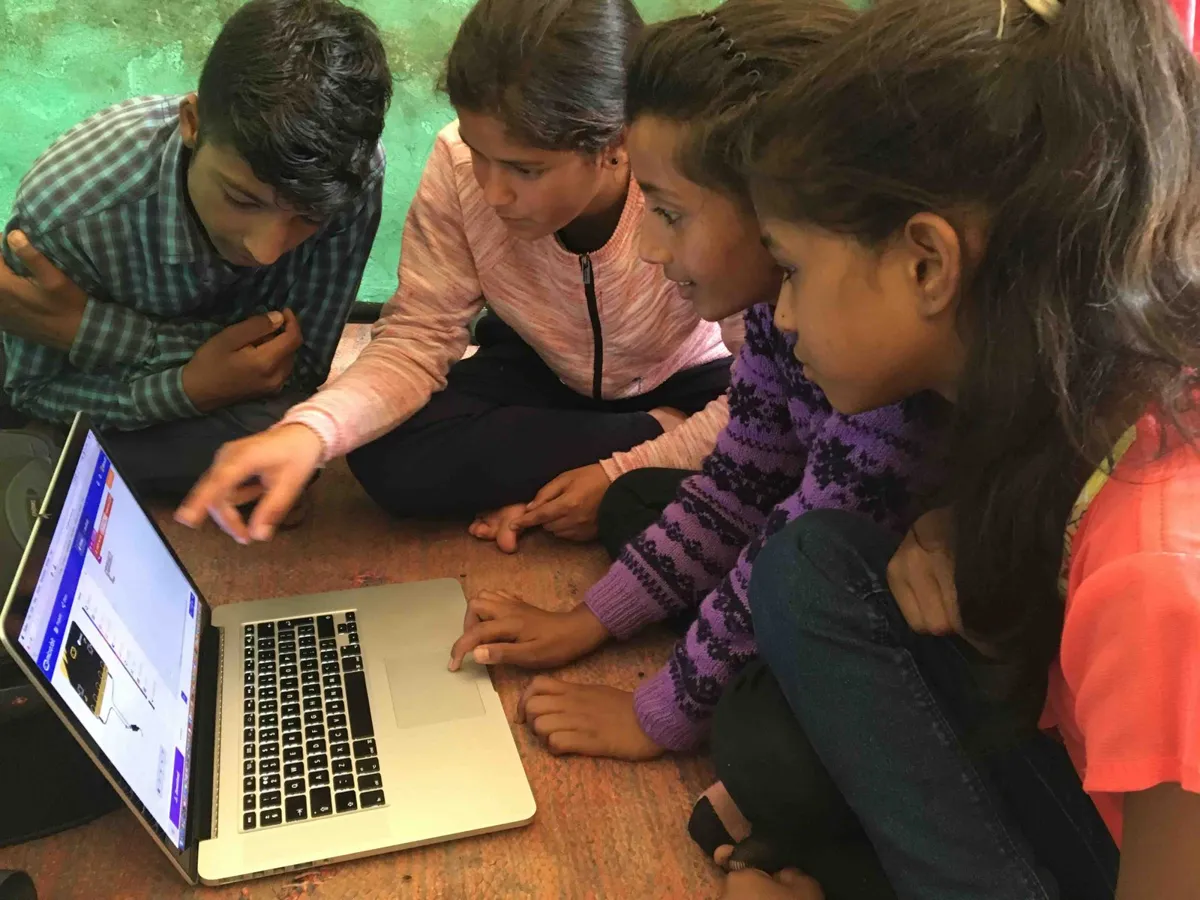
In STEM 2.0 labs, students learn by doing. The labs make it possible to run life-skills clubs, where students take on longer, more complex projects that need collaboration, and so learn planning, decision-making, time and resource management, and teamwork.
Real-world problem solving
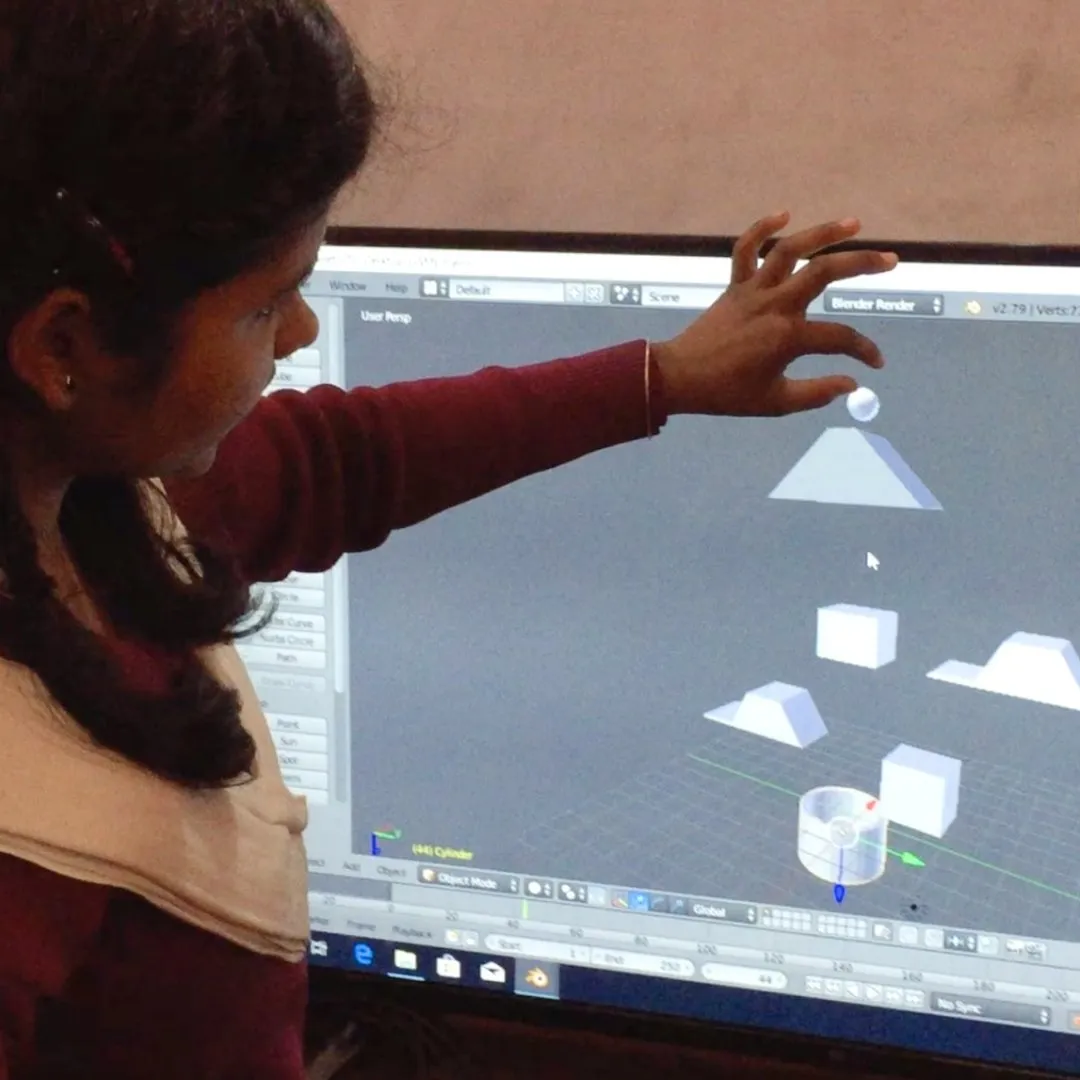
Projects connect with the real world, something the prescribed syllabus seldom does. Students learn animation, graphic design, website and app design, game design and AR-VR: vocational skills 2.0. They also tackle local issues, for example with experiments in precision agriculture and smart irrigation.
Challenges and competitions
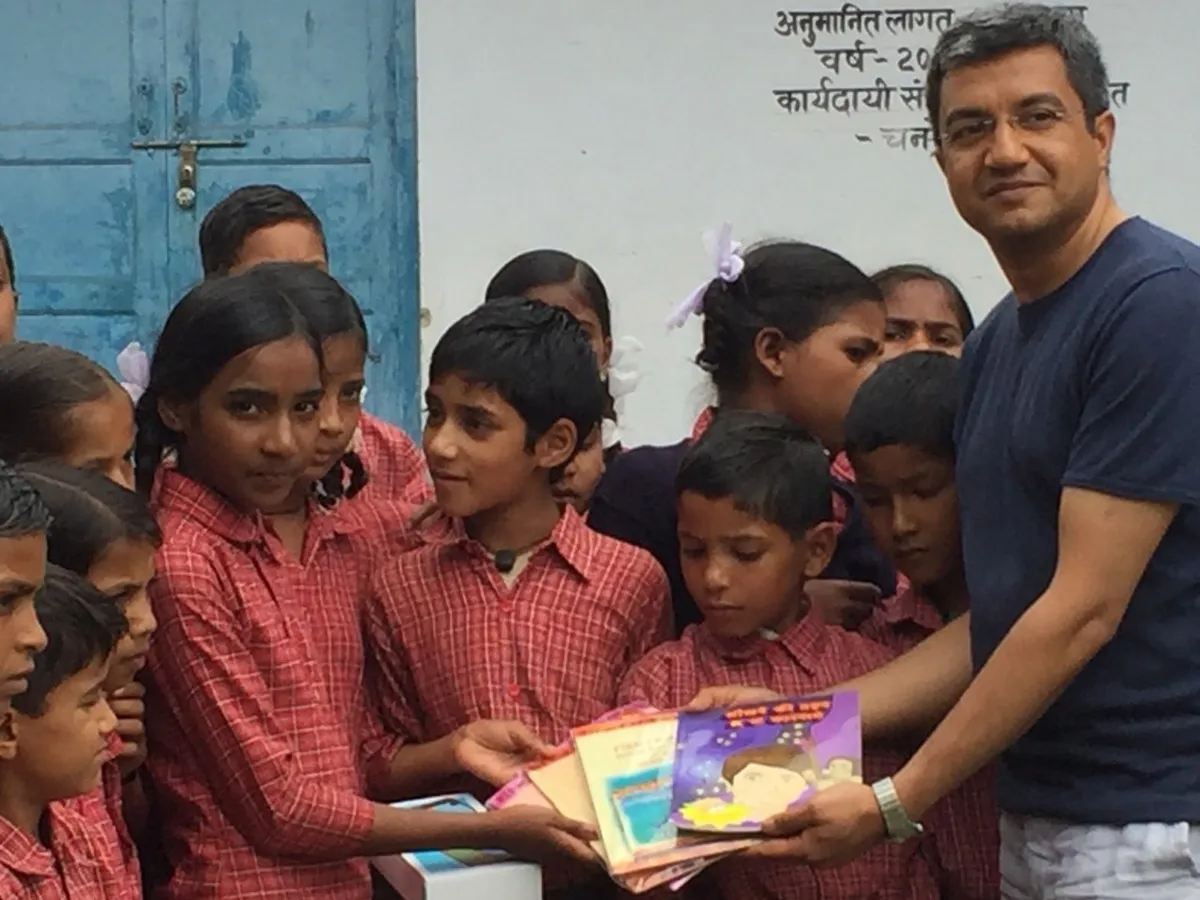
Labs and tinkering clubs in rural schools let students take part in national and global STEM challenges. Simply taking part builds life skills such as risk-taking and resilience. See the challenges.
Why clubs


- Future-ready and life-ready. The skills to create value whatever shape the future takes, staying employable and entrepreneurial, and the mental dispositions to stay healthy and joyful and lead a purposeful life.
- New skills for the new economy. Technology is changing the economy yet again. Students need skills that take them towards the high-skill, high-wage end of the jobs spectrum.
- Vocational skills 2.0. Graphic design, animation, film-making, AR-VR design, app and game design, coding and more.
- 21st-century life skills. Learning to learn, learning to think, problem-solving, decision-making, collaboration, emotional intelligence, empathy and learning to be.
- Awareness of new careers. Technology is transforming jobs and entrepreneurship, and students need to know which opportunities are coming and how to prepare.
Equipment and grants
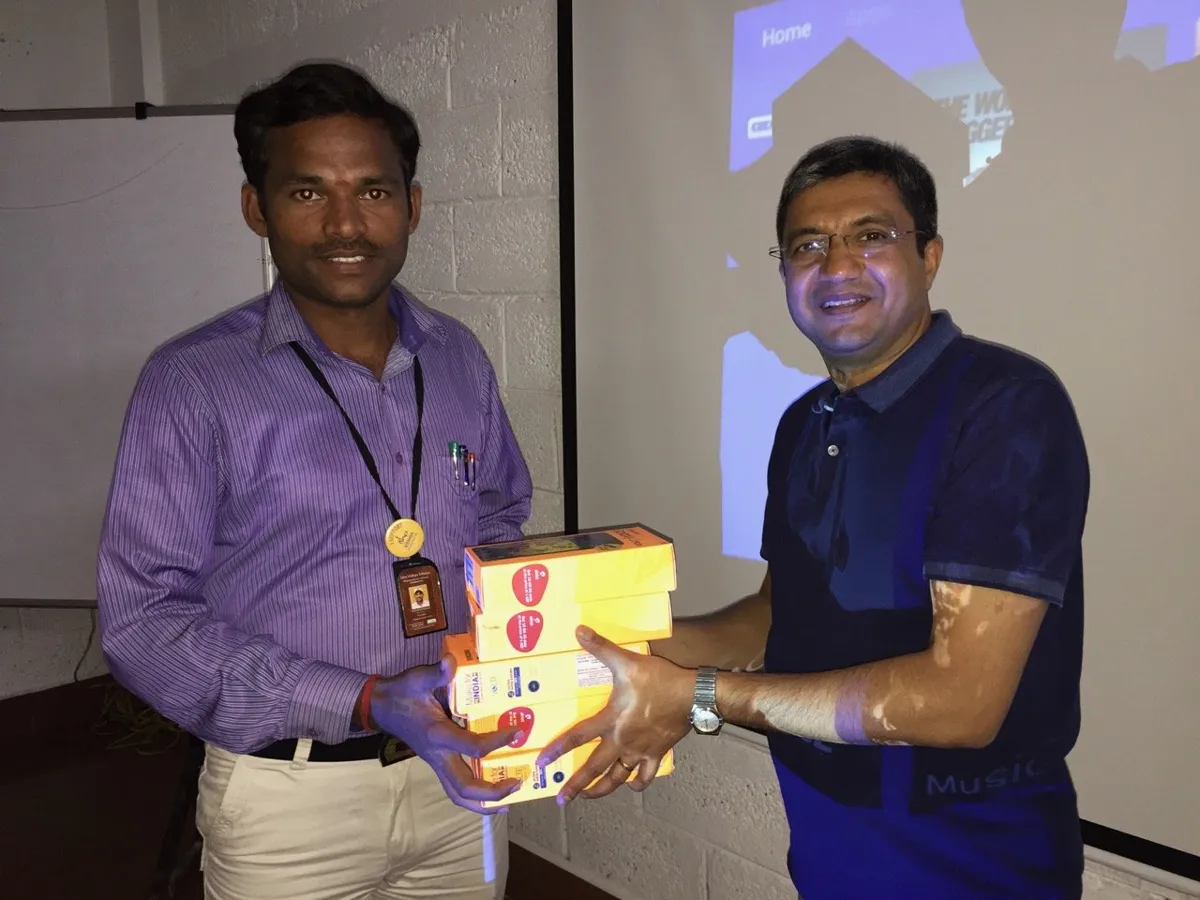
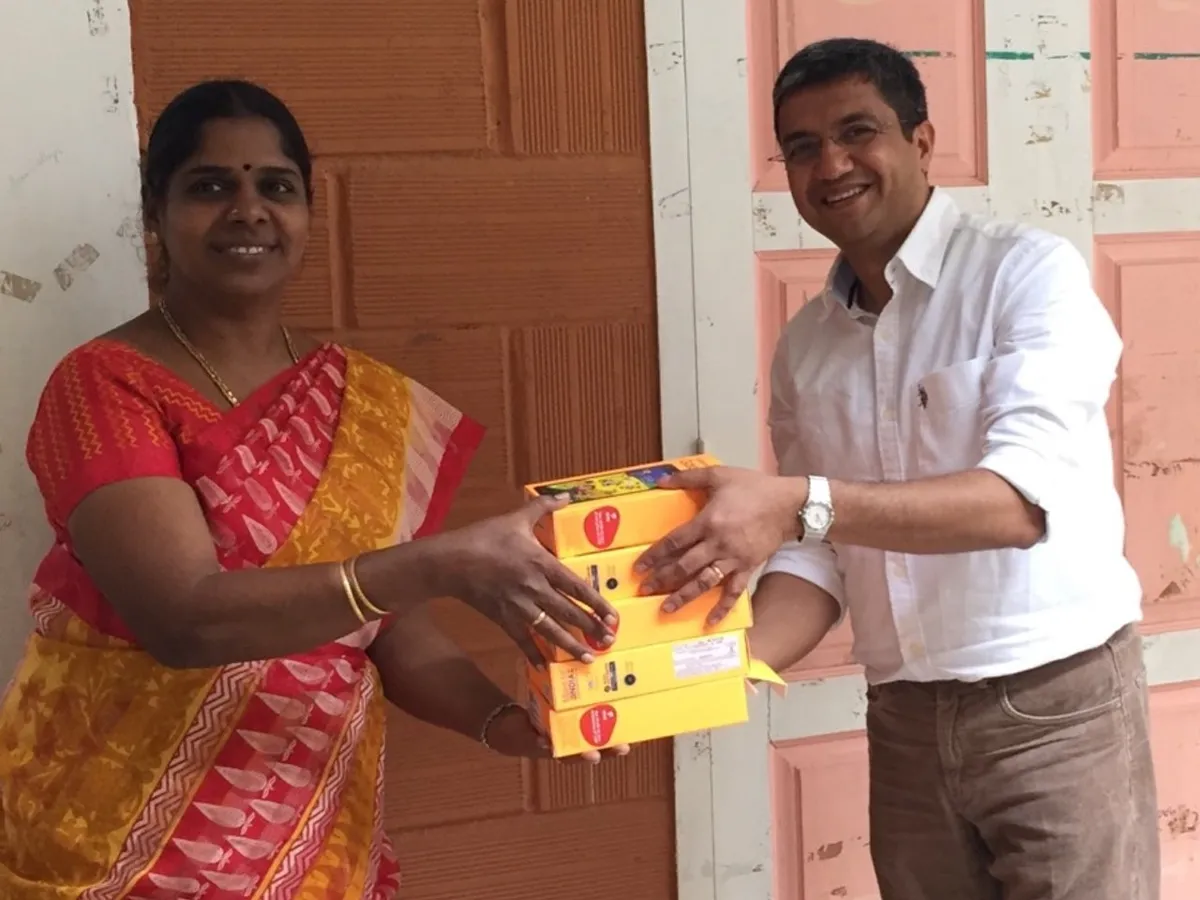
Since 2013, hands-on workshops in rural schools have come with equipment such as tablets, laptops and STEM 2.0 kits, so the schools can carry on with project-based learning. Ten schools have also been helped to win the Government of India's Atal Tinkering Lab grant, and several schools have been guided to take part in, and win, awards such as Manak.
Case study 1: a short film on drug abuse
The challenge
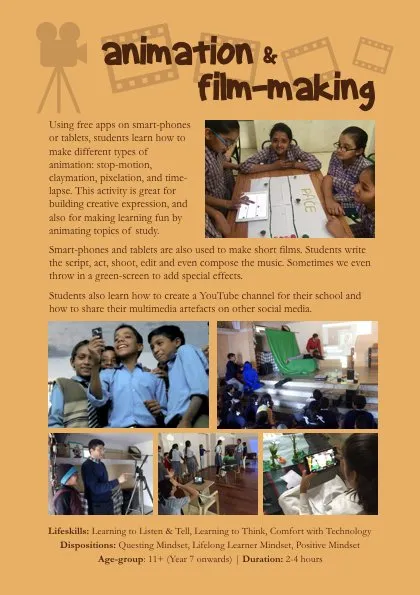
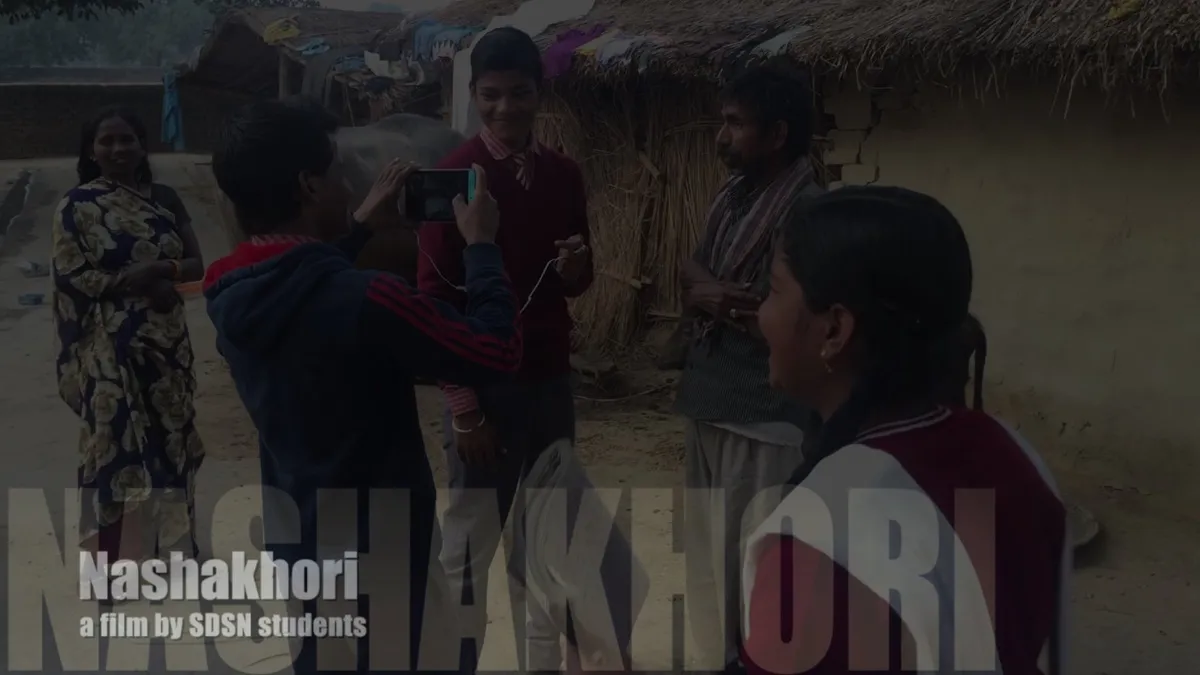
At SDSN School in Dariyapur village, near Raebareli in Uttar Pradesh, the Digital Media Literacy Club ran a summer challenge in animation and film-making. One task was a short essay on a local social problem. Many students wrote about the rising use of drugs in nearby villages, so the club decided to make a short film to raise awareness.
Planning
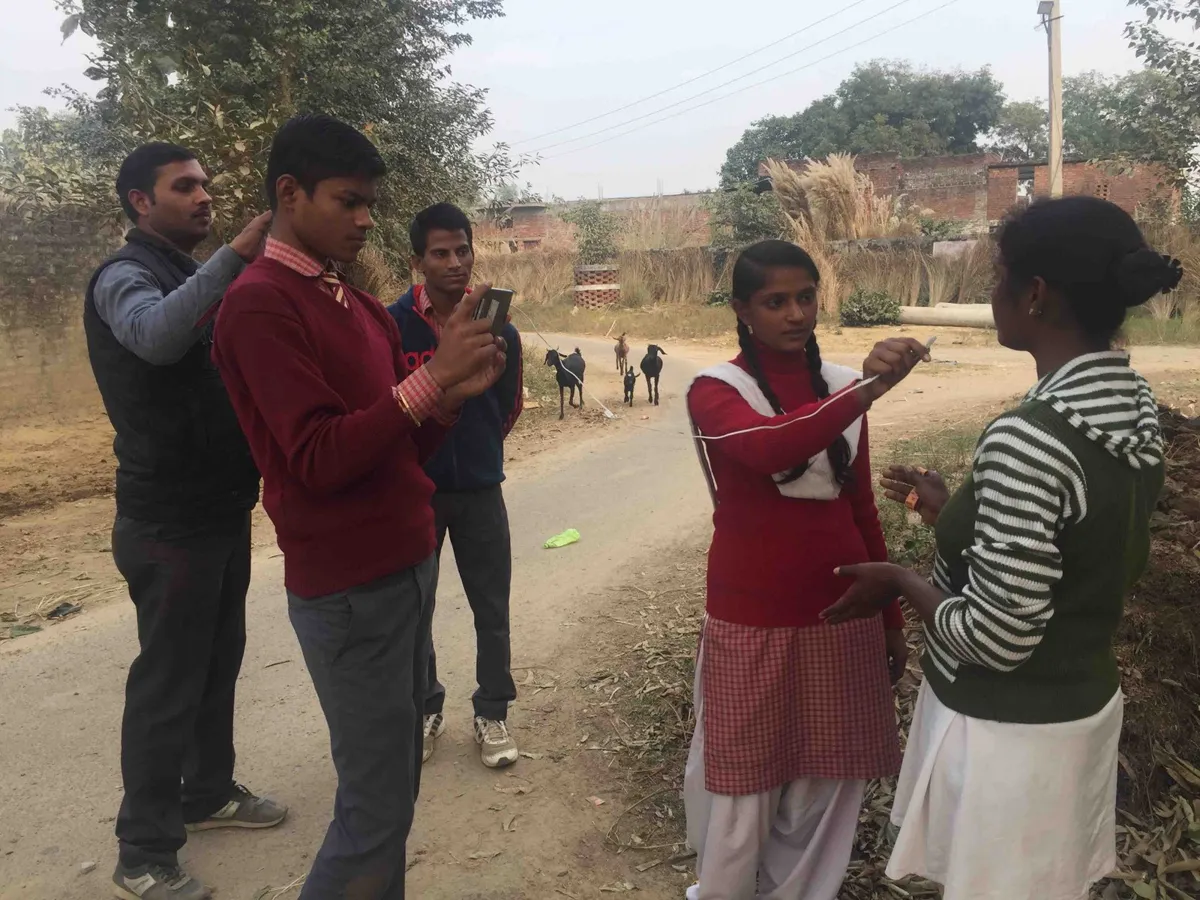
With help from teachers, a team of students planned a visit to a nearby village to talk to people and find out whether drug use really was rising. The principal spoke to the village pradhan, who agreed to be interviewed by the students.
Making it
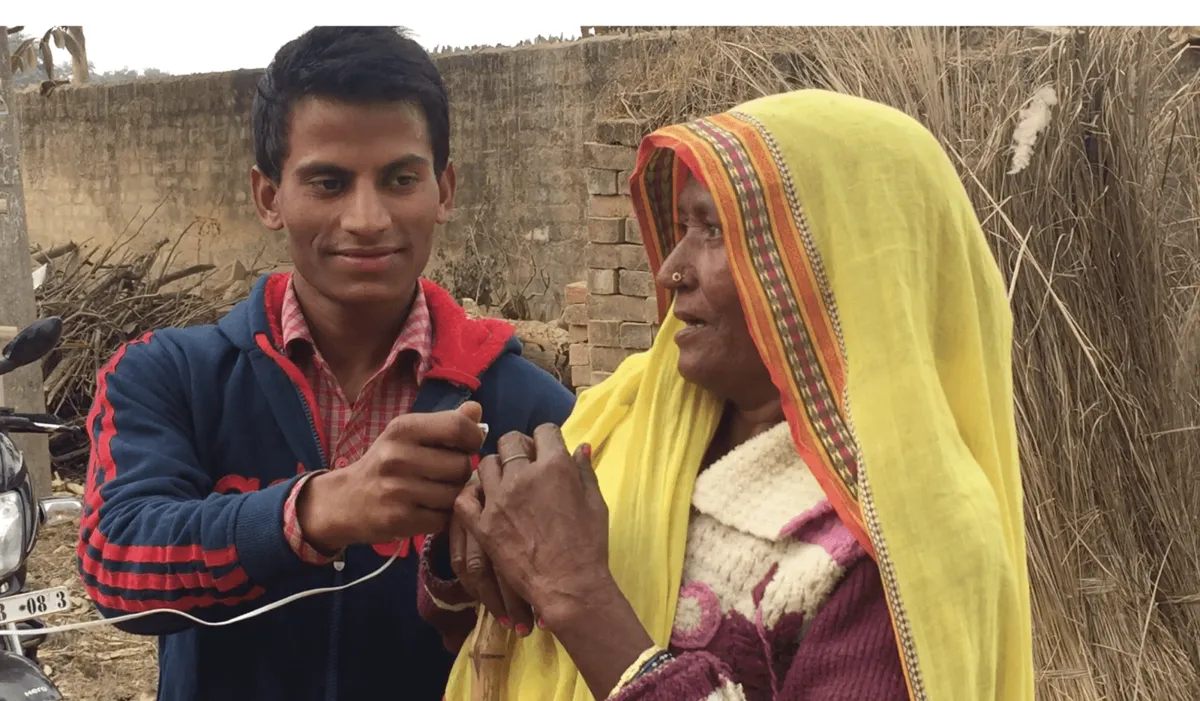
Villagers were reluctant at first to talk about problems in their village, so the students learnt to put people at ease with general conversation before asking probing questions. There was plenty of technical learning too: how to hold the camera and the mic, and how to work as a team by recognising who was better at framing questions and who at interviewing.
The result
An 8-minute film.
Case study 2: solving a real-world problem
The challenge
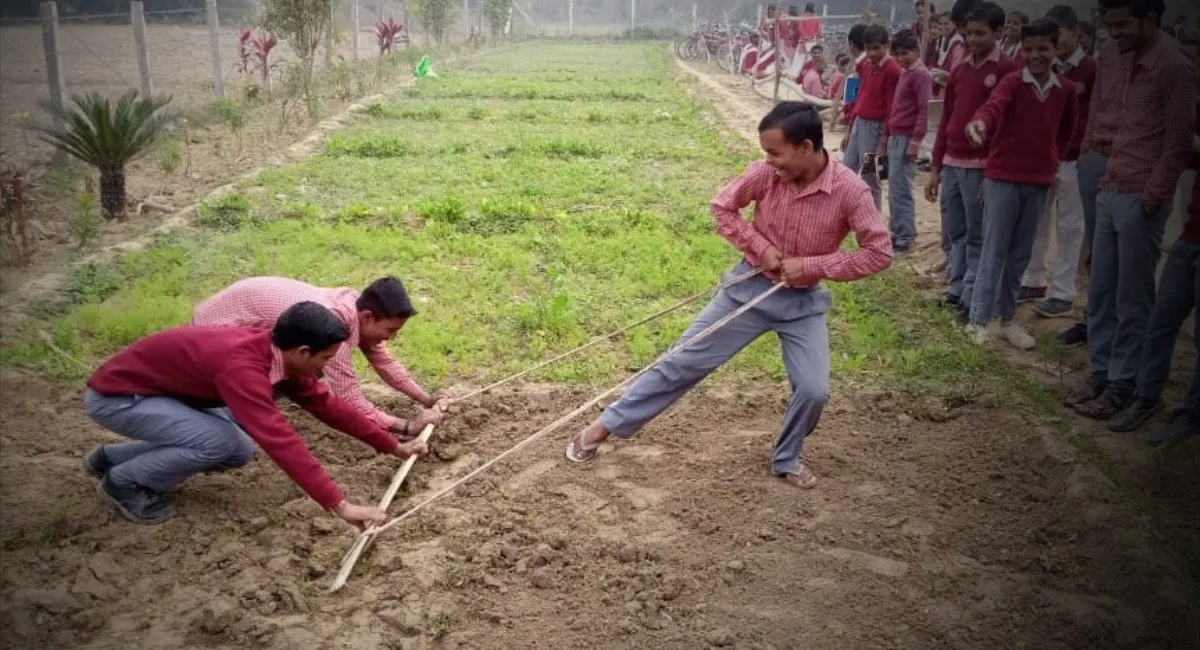
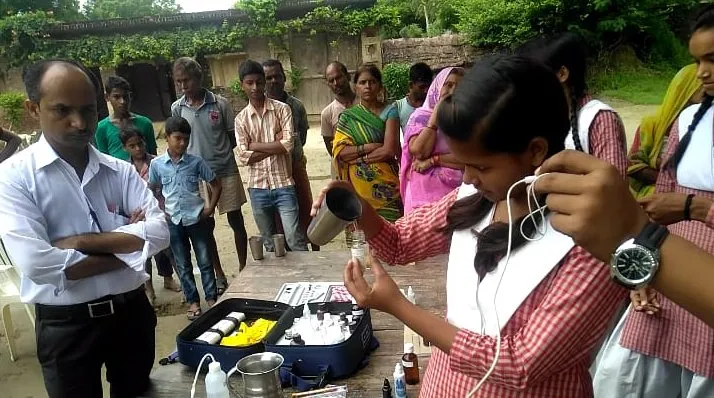
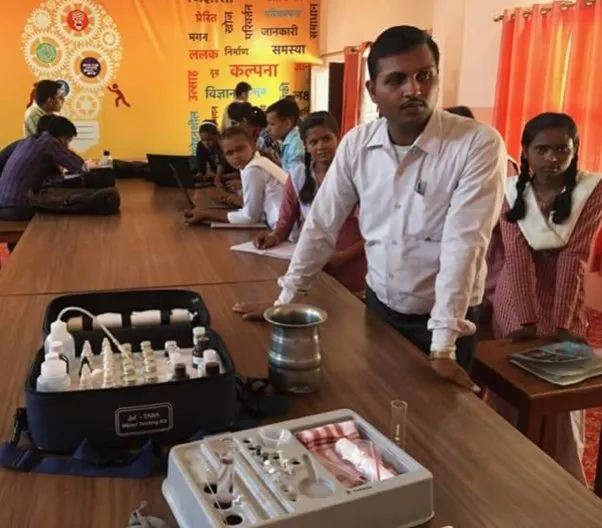
The Hindi teacher at SDSN School reported that more people were falling sick in his village, probably because of the drinking water. Arvind, the teacher in charge of the tinkering club, collected and tested a sample. There was bacterial contamination, probably from the incessant rain.
Planning
Students and teachers went back to the village and did a full test (the kit tests water on nine parameters), explaining to villagers why safe drinking water matters.
Making it
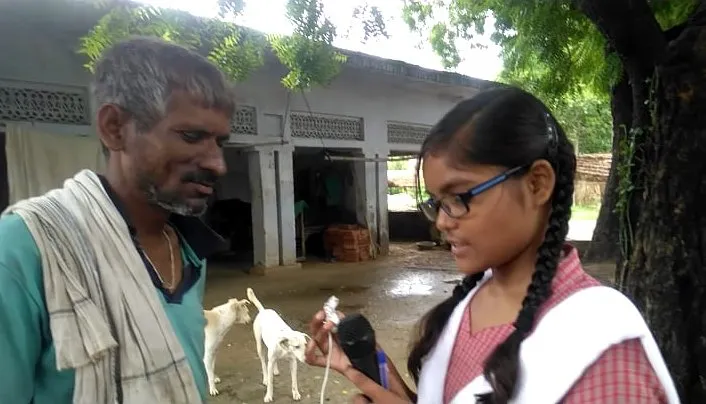
The students also made a short film, interviewing villagers about the problems the contamination caused and what the local authorities were doing: a taste of citizen journalism.
The result
A project that connected learning with a real issue and built problem-solving, teamwork and other life skills, for students and teachers alike.
Case study 3: a school website
The challenge
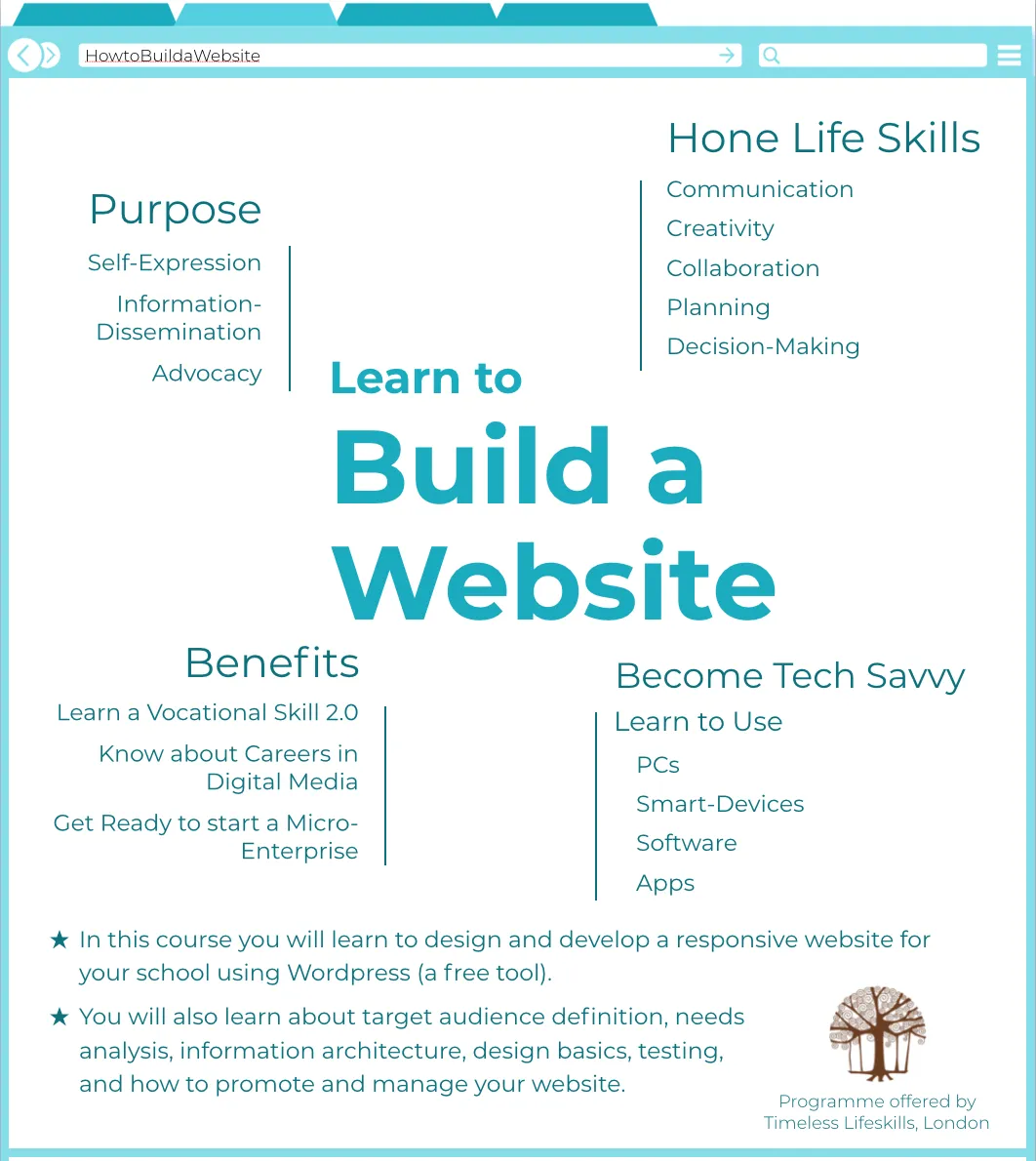
At Isha Vidhya schools across rural Tamil Nadu, teachers and students were mentored remotely to start a Digital Media Literacy Club, using videos on YouTube and guidance for instructors on WhatsApp.
Making it
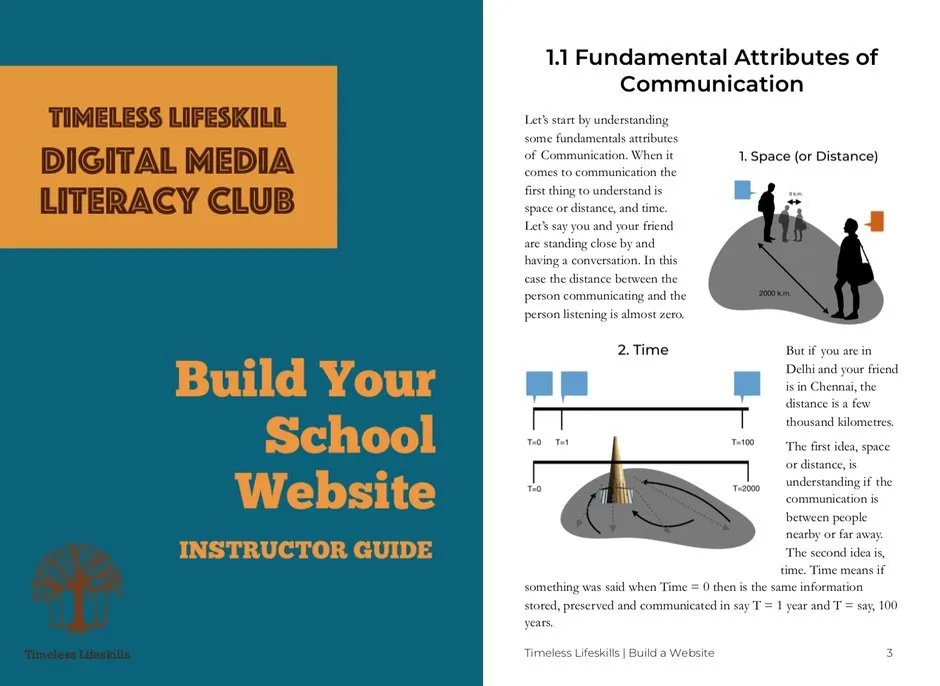
The first project was building the school website. Along the way students learnt about communication, digital media and information literacy, and skills such as photography, video and graphic design, as well as creativity, planning, collaboration and decision-making. The club met every Saturday afternoon, and teachers followed an instructor guide with questions and activities for Pause & Ponder sessions.